Spring and early summer: moisture and mold risk
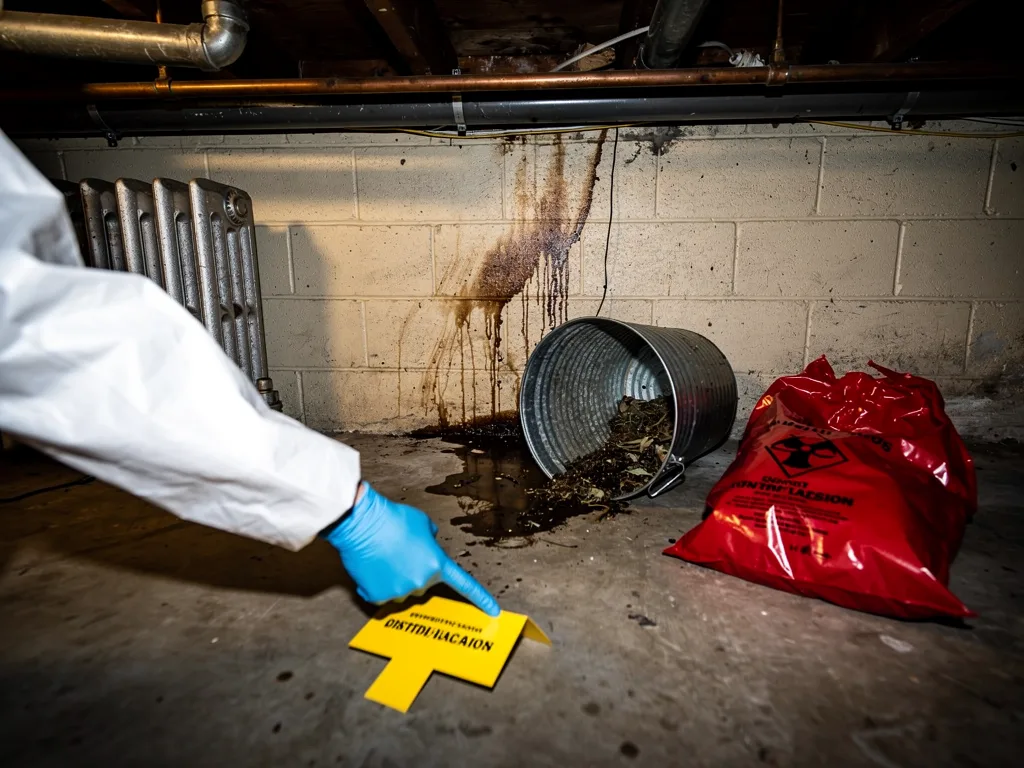
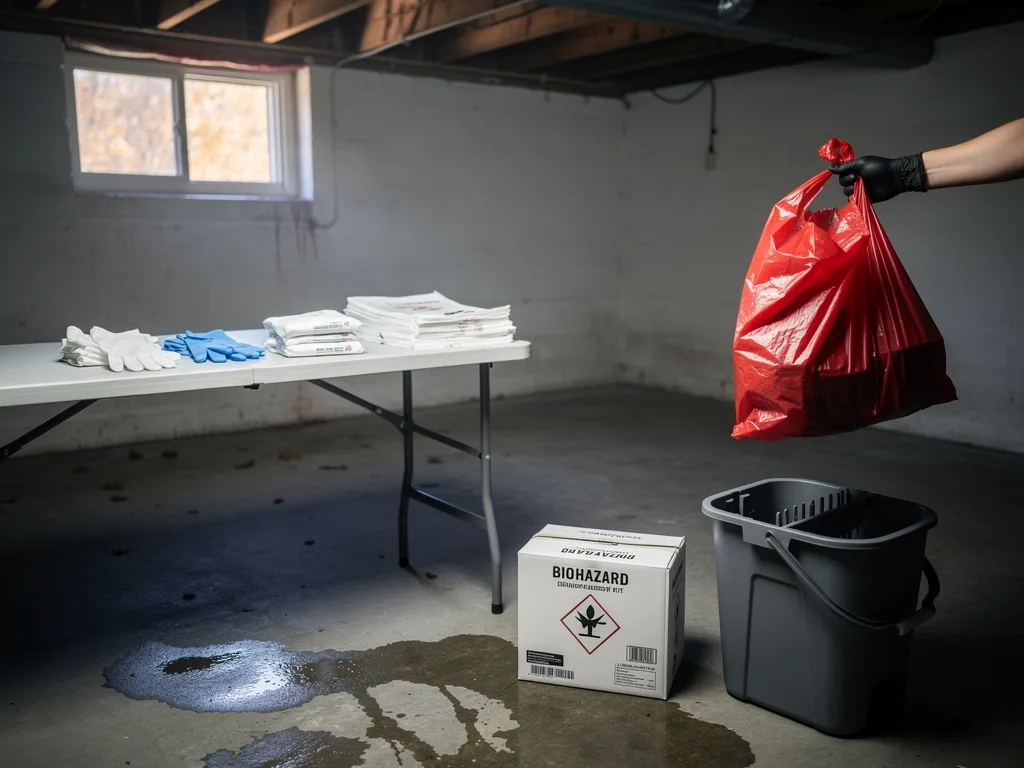
Connecticut’s spring brings rain, and with it the risk of moisture intrusion behind walls and in basements. Inspect areas around foundations, windows, and plumbing for signs of dampness. If you notice musty odors, staining, or a cool, damp feel in a space, call a biohazard remediation technician for an assessment. Early action prevents mold growth and hidden contamination from getting worse.
Ventilate after rain, fix exterior gaps, and address any water intrusion promptly. Even small leaks can create conditions where microorganisms thrive. Across Connecticut, a quick professional check can save headaches later in the year.
Summer: heat, humidity, and air quality
High heat and humidity can amplify indoor air quality issues. If you’ve had a spill or biological residue, heat can drive odors deeper into materials. Use dehumidifiers in damp spaces and keep poor ventilation areas under observation. If a space feels overly stale or smells odd, a biohazard remediation technician can evaluate air handling and contamination levels and recommend next steps.
Fall and winter: condensation and colder surfaces
Seasonal condensation on windows and pipework can create hidden moisture problems. In Connecticut homes, this can lead to hidden contamination behind walls or under flooring. Regular checks of basements, attics, and crawl spaces help prevent buildup. If you suspect moisture issues, schedule a professional assessment before cold weather sharpens the problem.
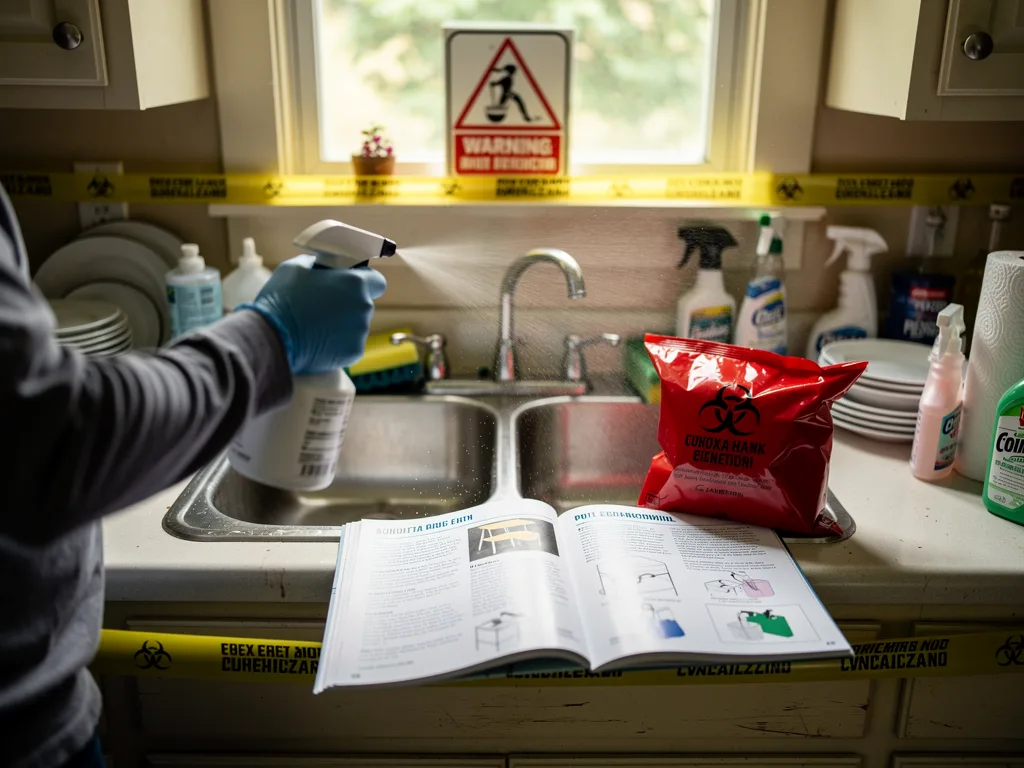
During colder months, avoid using harsh chemical cleaners on suspected contaminated areas. A professional cleanup crew can restore safety with proper containment and cleaning methods suited to the season.
Practical steps you can take now
- Run a simple moisture check in basements and crawl spaces after storms.
- Keep gutters clear to prevent water intrusion around the foundation.
- Have a plan and number ready for a local biohazard remediation technician in Connecticut.