Noticeable indicators you should call
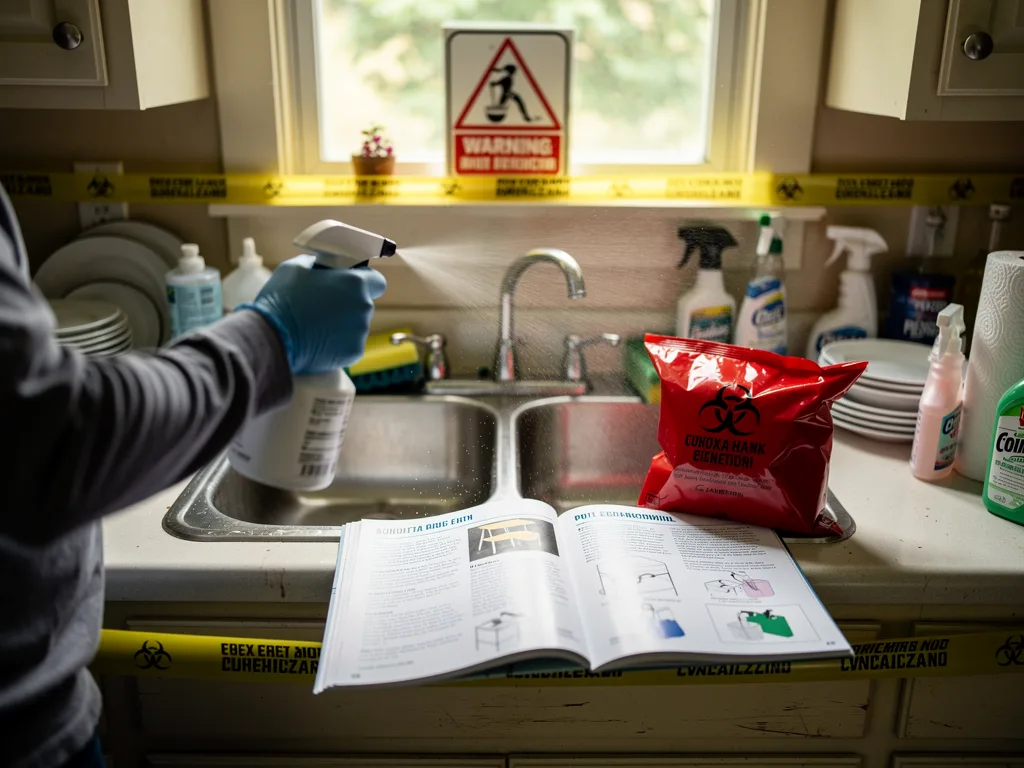
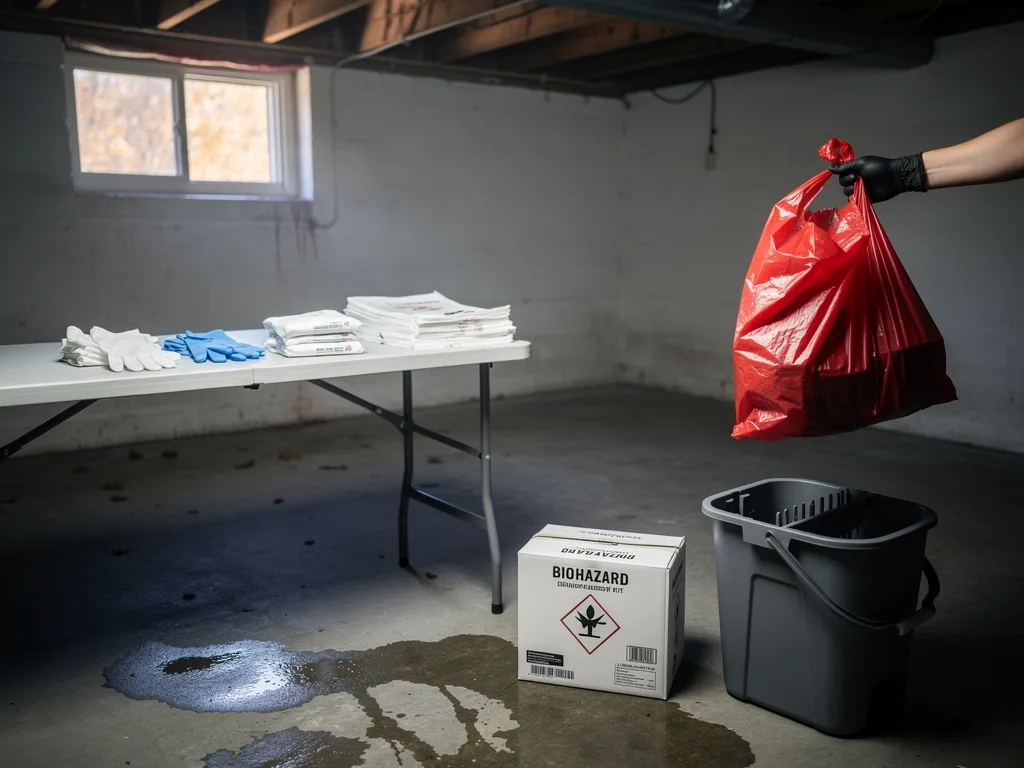
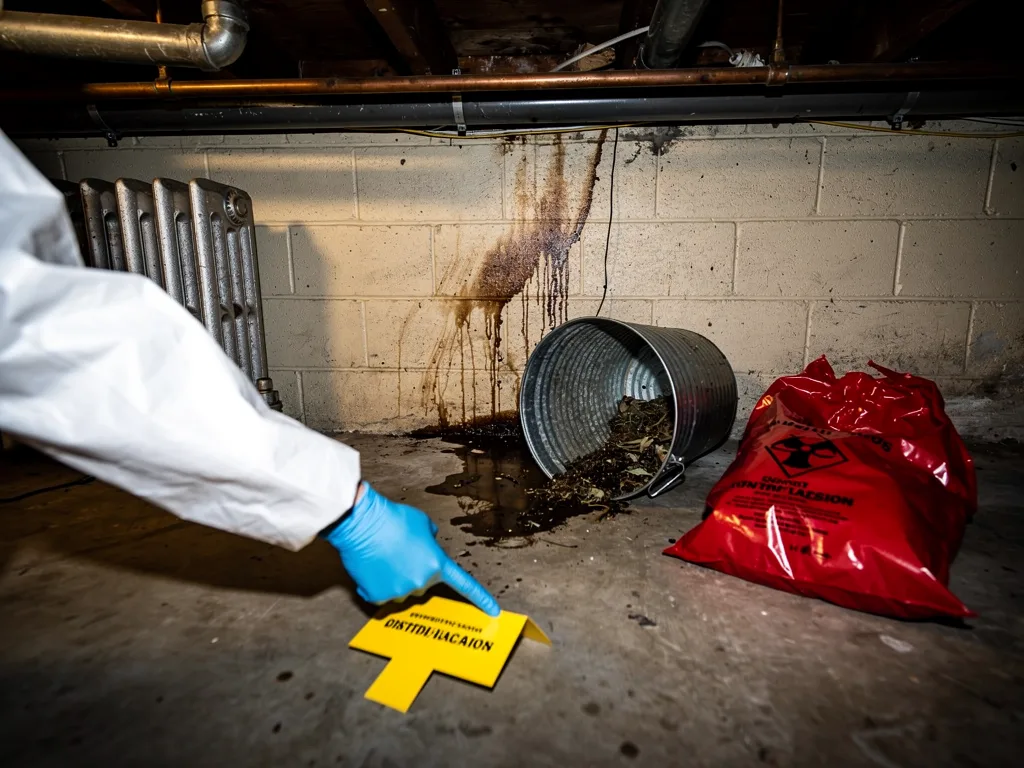
In homes across Connecticut, certain signs should prompt a call to a biohazard remediation technician. A strong, lingering odor, especially a sharp or chemical smell, can indicate contamination that isn’t obvious to the eye. Visible stains, discoloration, or patches on flooring, walls, or ceilings may hide biological hazards. If you notice seepage, persistent moisture, or odd residues after a water event, treat it as a potential risk and get a professional assessment. These cues aren’t cosmetic; they point to possible contamination that requires trained handling.
Another red flag is partial or full inaccessibility of rooms due to odors or staining. If a space won’t ventilate or if you detect a changing color on surfaces after cleaning attempts, that’s a sign a comprehensive cleanup is needed. Across Connecticut, crews respond to these indicators to protect occupants and preserve the home’s safety.
Why these signs matter in a statewide context
Connecticut homeowners live through all four seasons, and seasonal changes can reveal hidden hazards. Humidity, temperature swings, and rain can drive mold or bacterial growth behind walls. A supposed minor spill can become a lingering risk if not addressed by experts. Connecticut Biohazard Cleanup Group operates with crews in every Connecticut metro region, ready to assess and respond when these warning signs appear.
Trust matters. When a suspected biohazard surfaces, it’s essential to rely on a trained biohazard remediation technician who follows proper protocols. Quick, professional assessment helps minimize exposure and limits further contamination.
What to expect from a professional assessment
During an initial visit, our team reviews the source of the issue, notes visible damage, and checks for hidden hazards. They’ll outline steps for containment, removal, and cleaning. In many cases, they’ll use specialized equipment to measure air quality and surface contamination without disrupting the home more than necessary. Connecticut crews emphasize clear communication, practical timelines, and safety first.
After the assessment, you’ll receive a plain-language plan with actions and approximate timing. If remediation is needed, the biohazard remediation technician will guide you through each stage, from isolation to removal and restoration, keeping you informed every step of the way.
Practical takeaways
- Document odors, stains, and moisture with photos for reference.
- Limit access to affected areas to reduce exposure until professionals arrive.
- Schedule an inspection promptly after noticing signs to prevent escalation.